Western Slope
Residential Drafting Services for Custom Homes and additions
Residential Drafting
Residential Drafting
If you’re planning to build or remodel a home, everything starts with one thing: the plans.
Not rough sketches. Not Pinterest ideas.
Actual, buildable, permit-ready drafting.
Residential drafting is where your ideas get translated into something a builder can price, an engineer can review, and a county can approve. If this step is done poorly, the rest of your project gets expensive fast.
This page breaks down exactly what residential drafting includes, what you should expect, and how to make sure your plans work in the real world—not just on paper.
What Residential Drafting Actually Includes
There’s a lot of confusion around this.
People use terms like blueprints, house plans, and designs interchangeably. In reality, residential drafting is the technical backbone of your project.
At a minimum, a complete drafting set includes:
Floor plans – layout, room sizes, wall placements
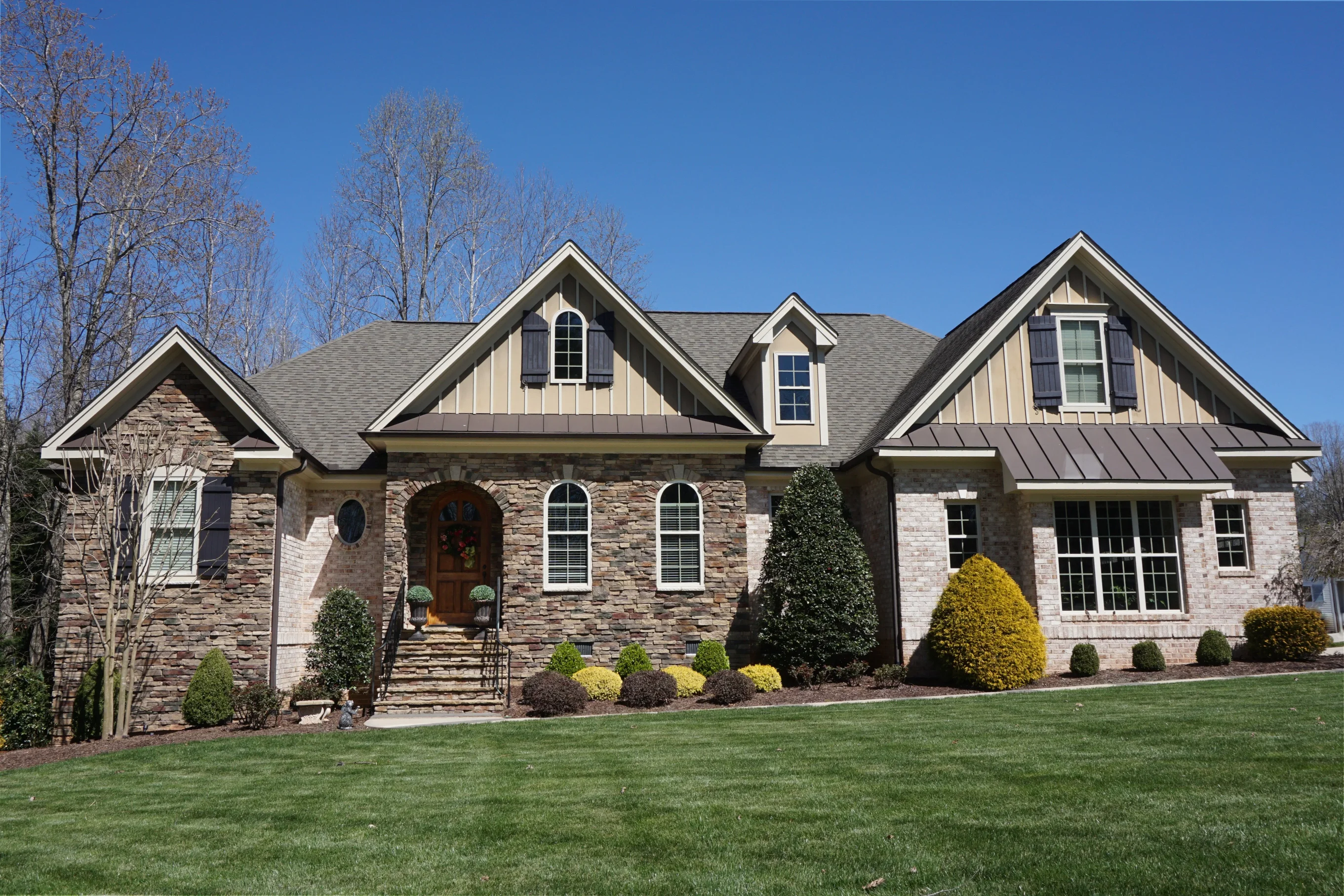
Exterior elevations – what the home looks like from all sides
Roof plans – structure, pitch, and layout
Foundation plans – how the structure sits on the ground
Construction details – notes builders rely on during construction
These are not just drawings. They are instructions.
A builder should be able to take your plans and build the home without guessing.
Who Needs Residential Drafting
1. Homeowners building a custom home
Even If you're not buying pre-made plans, you need drafting. Period.
2. Builders who don’t have in-house design
Many builders rely on drafting professionals to produce accurate, buildable plans they can trust.
3. Remodel and addition projects
Even smaller projects require proper plans for permits and construction clarity.
If your project involves permits, materials, or structural changes—you need drafting.
Our Residential Drafting Services
We don’t just draw plans. We create plans that actually work when construction starts.
Custom Home Drafting
Fully custom layouts based on:
your lot
your lifestyle
your budget
No templates. No recycled plans.
Floor Plan Design
This is where most projects succeed or fail.
We focus on:
flow between spaces
natural light positioning
practical room sizing
furniture layout compatibility
A good floor plan feels right immediately. A bad one causes frustration for years.
Exterior Elevations
We design homes that look good from every angle, not just the front.
This includes:
rooflines
proportions
window placement
overall visual balance
Our background in truss design allows for more intentional, cleaner roof structures.
Construction Documents
These are the plans your builder actually uses.
We include:
dimensions
structural schematics
framing considerations
Clarity here prevents confusion later.
Permit-Ready Plans
Plans are prepared with permitting in mind.
That means:
meeting local requirements
avoiding common rejection issues
organizing documents properly
This reduces delays and back-and-forth with the county.
The Residential Drafting Process
A structured process eliminates guesswork and reduces revisions.
Step 1: Discovery
We define:
project scope
goals
budget constraints
site considerations
This prevents misalignment later.
Step 2: Concept Development
Initial layouts are created based on your needs.
At this stage:
major decisions are made
layout direction is established
rough elevations are introduced
Step 3: Refinement
This is where details get dialed in:
room sizes adjusted
windows and doors finalized
structural considerations integrated
Most revisions happen here.
Step 4: Final Drafting
We produce:
complete construction drawings
organized plan sets
permit-ready documents
At this point, the plans should be ready for pricing and submission.
Why Good Drafting Saves You Money
Most people try to save money at the drafting stage.
That’s usually a mistake.
Poor drafting leads to:
costly change orders
delays during construction
miscommunication between trades
structural conflicts
Good drafting does the opposite:
You’re not paying for drawings.
You’re paying to avoid problems.
What Makes Our Drafting Different
1. Truss Design Background
We understand roof structures at a deeper level.
That means:
cleaner rooflines
fewer structural issues
more efficient framing
Most drafters don’t think about this. Builders feel the difference immediately.
2. Build-First Thinking
We don’t design for aesthetics alone.
Every decision considers:
how it will be built
what it will cost
how trades will interact
3. Practical, Not Overcomplicated
A lot of plans look impressive but are difficult to build.
We aim for:
smart simplicity
efficient layouts
realistic construction
Common Residential Drafting Mistakes to Avoid
Choosing the cheapest option
Low-cost plans often:
lack detail
require rework
cause issues during construction
You usually pay for it later.
Overdesigning the layout
More complexity doesn’t equal better.
Complicated designs:
increase build cost
slow construction
create structural challenges
Ignoring how the home will be built
Plans should reflect real-world construction methods.
If they don’t, your builder ends up fixing the design on the fly.
Skipping proper planning upfront
Rushed planning leads to:
endless revisions
design fatigue
inconsistent decisions
Take time at the beginning. It saves time later.
What Clients Say
"Shane was super easy to work with, reasonably priced and very knowledgeable in regards to helping us design our new home in Southwestern Colorado. We highly recommend his services if you are designing a new home."
— Erin E., Custom Home
"Shane was able to complete our project with a couple of meetings, one draft with a few changes and turn it around very efficiently. We appreciate the quality and excellent customer service."
— George Wolfe, Jr., Custom Home
"Shane is quick and skilled, and he helped us out in a pinch when we realized we needed drafting services for our home construction project. He's knowledgeable, easy to work with, and took the time to make sure we got what we wanted. Highly recommended."
— Ken, Custom Home

FAQ
Frequently Asked Questions
The questions we hear most from homeowners and builders on the Western Slope.
How long does residential drafting take?
Typically 2–6 weeks depending on project complexity and revisions.
Do I need an architect or just a drafter?
For most residential projects, a skilled drafting service is sufficient. Engineers may still be required for structural elements.
Are the plans ready for permits?
Yes, plans are prepared to meet typical permit requirements. Specific jurisdictions may require additional documentation.
Can changes be made during the process?
Yes. Most adjustments happen during the refinement phase before final drafting.
Do you work with builders?
Yes. Collaboration with builders improves plan accuracy and buildability.
Ready to Build?
Start Your Home Design Today
Residential drafting is not just a step in the process—it’s the foundation of your entire build.
Good plans make everything easier:
smoother construction
fewer surprises
better final results
If you’re serious about building, start with plans that are designed to work in the real world.
1 Free 20-minute discovery call. We learn about your project — no obligation, no pitch.
2 Clear, itemized proposal. You know exactly what you're getting and what it costs before you commit.
3 We get to work. Communication throughout, no surprises, permit-ready plans delivered on schedule.